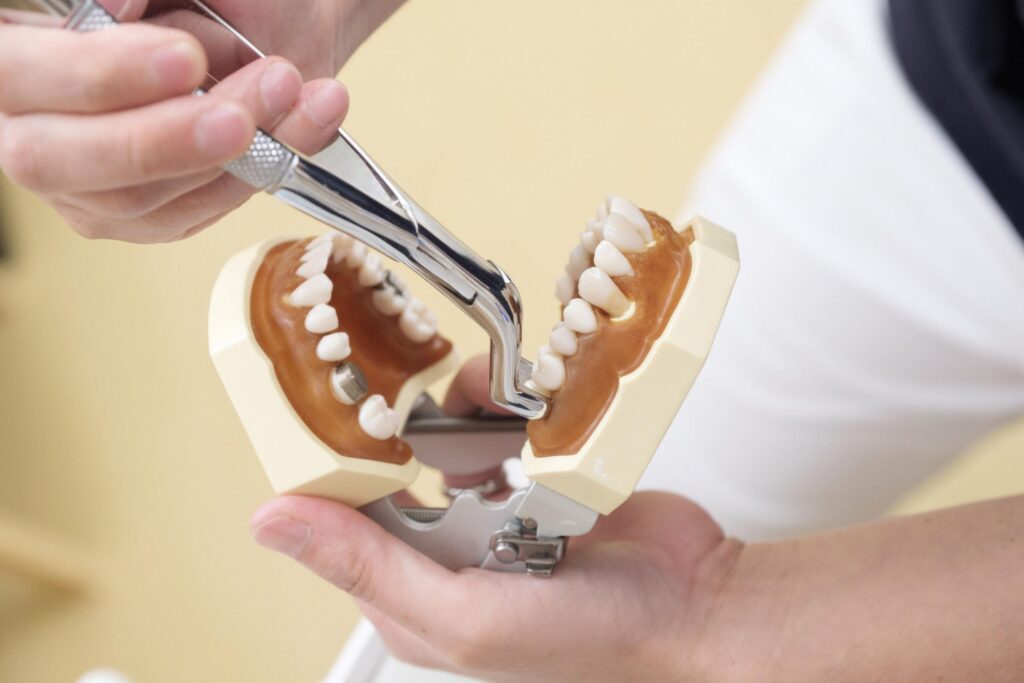
A tooth may need to come out when decay, infection, or a fracture has damaged it beyond the point where a filling, crown, or root canal can restore it predictably. Extraction may also be recommended for a wisdom tooth that is causing pain, repeated inflammation, damage to a neighboring tooth, or another problem.
Pain alone does not automatically mean a tooth needs to be removed. An infected tooth that still has enough healthy structure may be treatable with root canal therapy, and a damaged tooth may be restorable with a dental crown. The exam helps determine whether saving the tooth or removing it makes more sense.
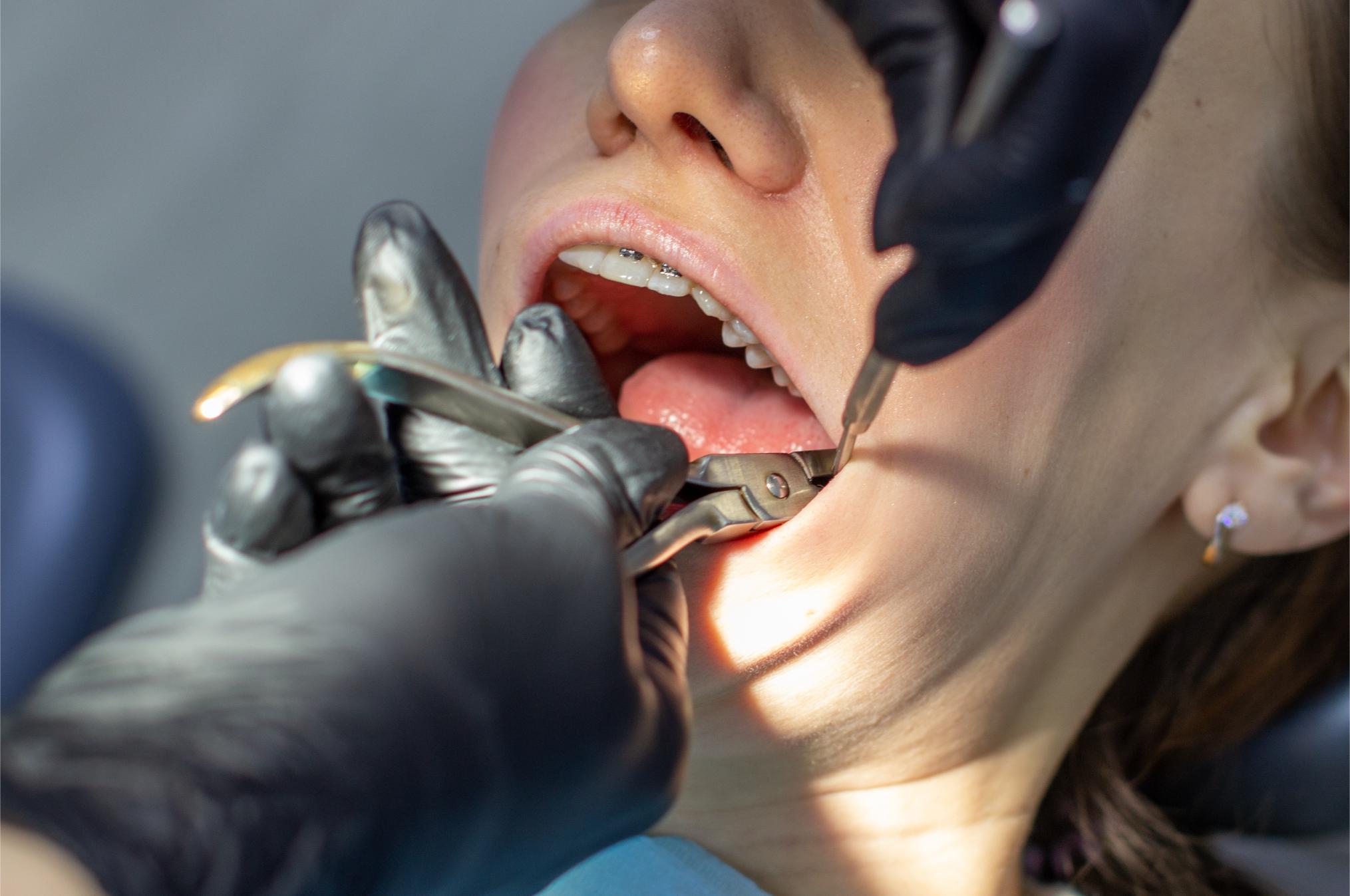
A simple extraction is generally used when the tooth is visible in the mouth and can be removed directly. Wisdom teeth can require a different approach depending on their position and development. Dental imaging helps evaluate the tooth and surrounding structures before treatment. Local anesthetic is used to numb the area before the tooth is removed.
You may notice pressure during the procedure, and the goal is to keep you comfortable throughout treatment. Before you leave, we will review instructions for protecting the extraction site during the first several days of healing.
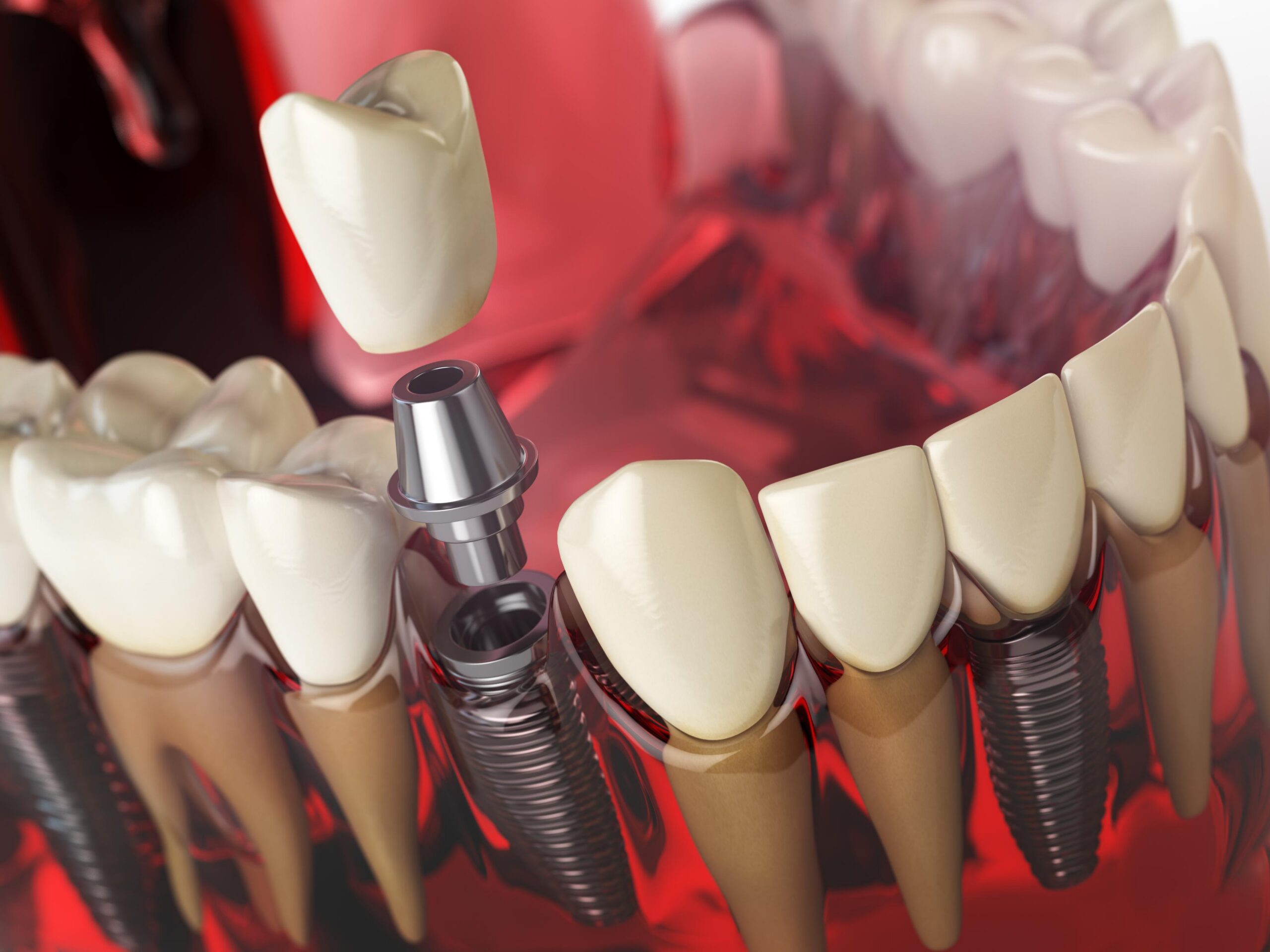
After a tooth is removed, the bone in that area naturally begins to change. If a dental implant may be used to replace the tooth, bone grafting or socket preservation can sometimes help maintain the ridge and create a better foundation for future implant treatment.
A graft is not necessary after every extraction, and it is not relevant when a wisdom tooth is being removed without plans to replace it. We will explain whether preserving the site would be useful based on the tooth, the surrounding bone, and the long-term treatment plan.
A blood clot forms in the socket as the first stage of healing. Following the post-operative instructions is important because that clot protects the area while new tissue begins to form. You will receive guidance about eating, brushing around the site, managing normal soreness, and activities to avoid while the extraction begins to heal.
Some swelling or tenderness can be normal after an extraction, particularly with wisdom teeth.
Call the office if discomfort becomes significantly worse rather than better, bleeding does not slow as expected, or you have another concern during recovery.

Wisdom teeth generally are not replaced. For other permanent teeth, leaving a space can affect chewing, appearance, and the way neighboring teeth function, depending on where the tooth was located. Replacement is not a one-size-fits-all decision, so it helps to understand the options before choosing a long-term plan.
Two common options are a dental implant, which replaces the missing tooth with an implant-supported restoration, and a dental bridge, which spans the space using neighboring teeth for support. Dr. Birk provides implant placement and restoration in-office and can explain which approach fits your situation.
A badly broken tooth, facial or gum swelling, severe pain, or signs of infection should be evaluated promptly. Birk Dental offers emergency dental appointments for new and existing patients, including same-day and next-day availability. The exam will determine whether the tooth can be treated and saved or whether extraction is the better option.