A lot of dental problems start quietly. A cavity may not hurt at first, gum disease can develop with few obvious symptoms, and an older filling can begin to weaken before you notice anything is wrong. Preventive dentistry is about finding those changes early and lowering the chance that small concerns become bigger ones.
At Birk Dental, preventive care is tailored to the patient rather than treated like the same checklist for everyone. Children, adults, and older adults can have very different cavity risks, gum health, dental work, habits, and home-care needs. Dr. Birk and our hygiene team use routine visits to keep track of those changes over time and recommend care that fits what we are actually seeing.

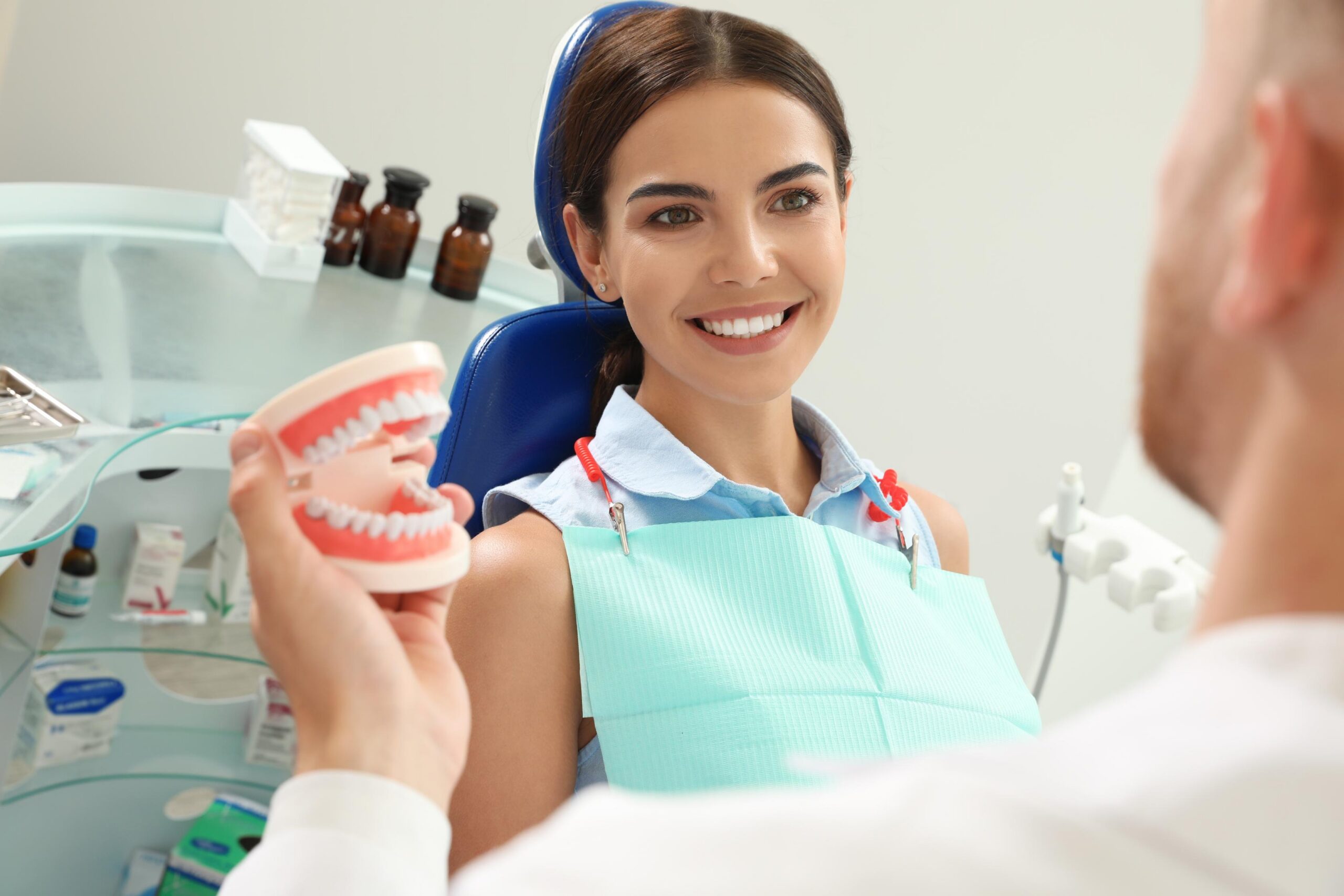
Preventive dentistry begins with consistent dental exams and cleanings. During these visits, we can evaluate your teeth and gums, check existing dental work, look for signs of wear or grinding, perform an oral cancer screening, and use digital X-rays when they are needed to see areas that are not visible during the clinical exam.
Professional cleanings remove plaque and hardened tartar from areas that are difficult to keep completely clean at home. Your hygienist can also point out places that may need more attention and offer practical guidance on brushing, flossing, and other habits based on your needs rather than giving everyone the same routine.
For patients who would benefit from additional cavity protection, Birk Dental also offers fluoride treatments and dental sealants to both children and adults when appropriate. Preventive care may also include a closer focus on gum health or protection from grinding and clenching when those concerns are present.
Two patients can brush and floss equally well and still have very different dental needs. Dry mouth, diet, past cavities, gum disease, crowded teeth, existing restorations, certain medications, and other factors can all influence how closely your oral health should be monitored.
The right preventive plan should reflect those differences. The timing of exams and cleanings can be adjusted when your gum health, cavity risk, treatment history, or other needs change.
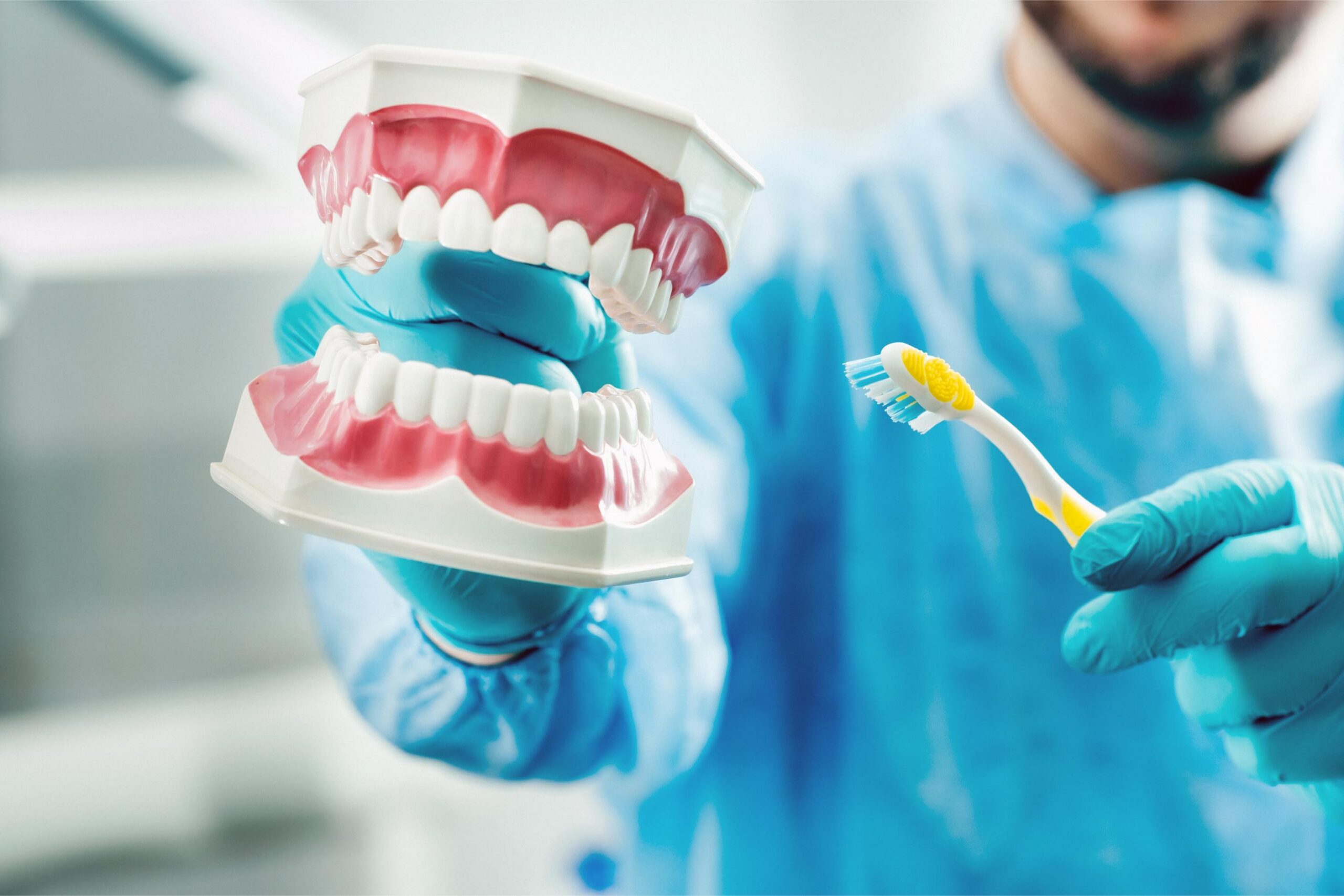
Fluoride helps strengthen tooth enamel and can make teeth more resistant to decay. Professional fluoride treatment can provide added cavity protection for both children and adults when risk is higher. Adults with a history of frequent cavities, dry mouth, exposed root surfaces, or other risk factors may benefit as well.
If fluoride is recommended, we will explain why it may be useful in your situation. It is one tool within a broader preventive plan that still depends on good home care, regular professional cleanings, and addressing problems when they are found.
The chewing surfaces of back teeth have natural grooves where food and bacteria can collect. Dental sealants place a thin protective coating over those grooves, creating a smoother surface that is easier to keep clean. They are commonly used on children and teenagers, but adults with healthy, cavity-prone grooves may be candidates too.
Sealants do not replace brushing, flossing, or professional dental care, and they do not make a tooth immune to decay. They simply add another layer of protection where it can be helpful.

Preventive visits are also an important time to evaluate the gums. Bleeding, swelling, recession, persistent bad breath, or changes in the spaces around the teeth can be signs that the gums need more attention. When periodontal disease is present, gum disease treatment such as scaling and root planing and ongoing periodontal maintenance can help manage the condition.
Because gum disease is not always painful, waiting for discomfort is not a reliable way to know whether your gums are healthy. Routine evaluation lets us compare changes over time and address concerns before they have a greater effect on the support around your teeth.
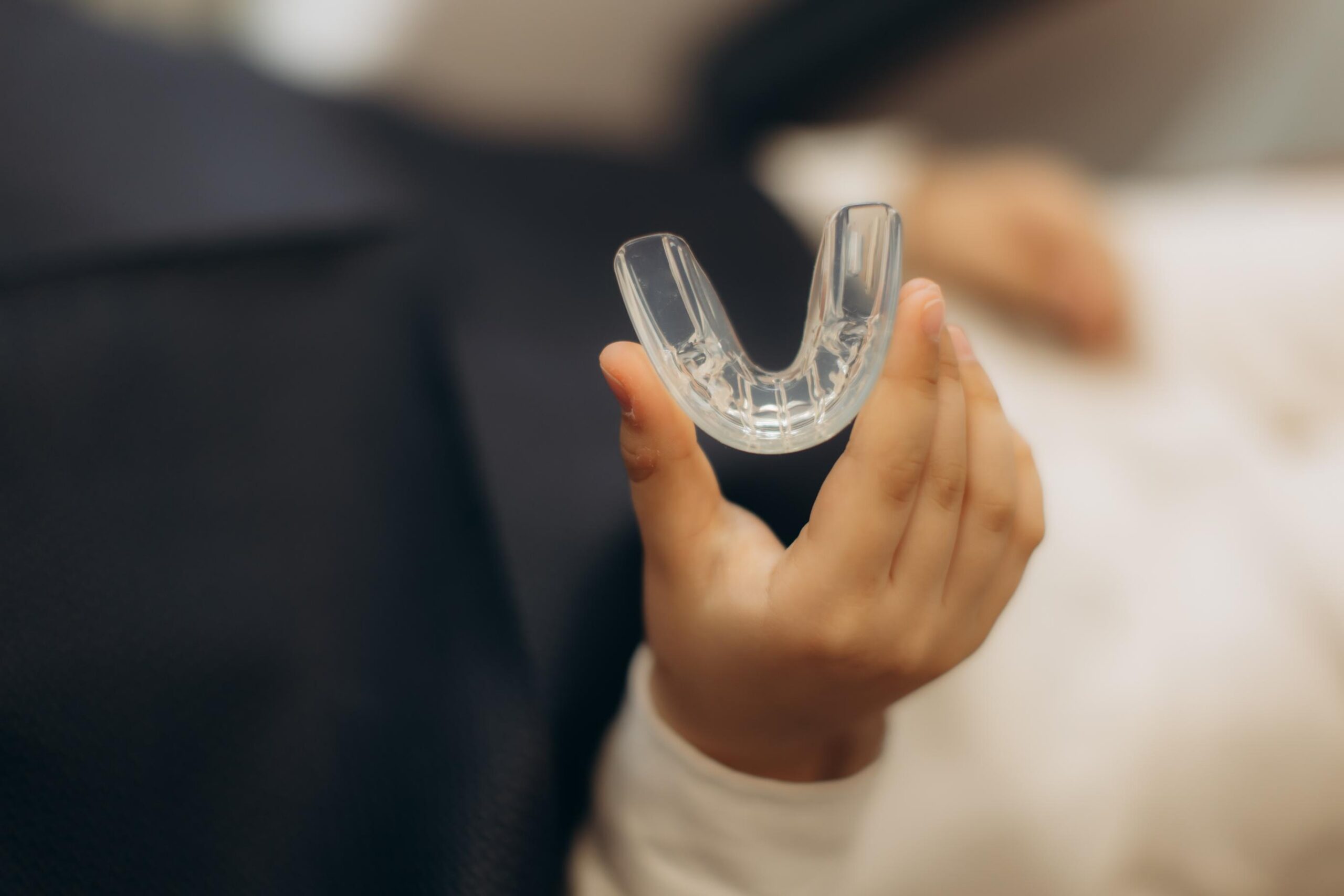
Not every preventable problem is a cavity. Grinding and clenching can wear down enamel, contribute to small fractures, and place extra force on fillings, crowns, and other dental work. If we see signs of bruxism, a custom night guard may be recommended to protect the teeth while you sleep.
We also monitor existing fillings, crowns, bridges, implants, and other restorations during routine visits. Dental work can last for years, but it still needs to be checked so changes can be addressed before a small issue becomes an emergency.