A small chip or uneven edge can be surprisingly noticeable when it is on a front tooth. The good news is that minor cosmetic and restorative problems do not always require a veneer or crown. Dental bonding can often make a focused repair using tooth-colored composite resin.
Dental bonding allows Dr. Birk to reshape or repair selected areas of a tooth with tooth-colored composite resin while keeping treatment relatively conservative. Because the material is applied directly to the tooth and sculpted chairside, many bonding procedures can be completed in a single appointment.

Bonding can be useful when the concern is limited in size and the underlying tooth is otherwise healthy. It may be considered for small chips, minor fractures, narrow spaces between teeth, uneven edges, or a tooth that needs a modest change in shape or contour.
The best treatment still depends on why the tooth looks the way it does and how much force it takes when you bite. A small cosmetic chip is very different from a large fracture or a tooth weakened by decay, so the tooth needs to be evaluated before deciding how to repair it.
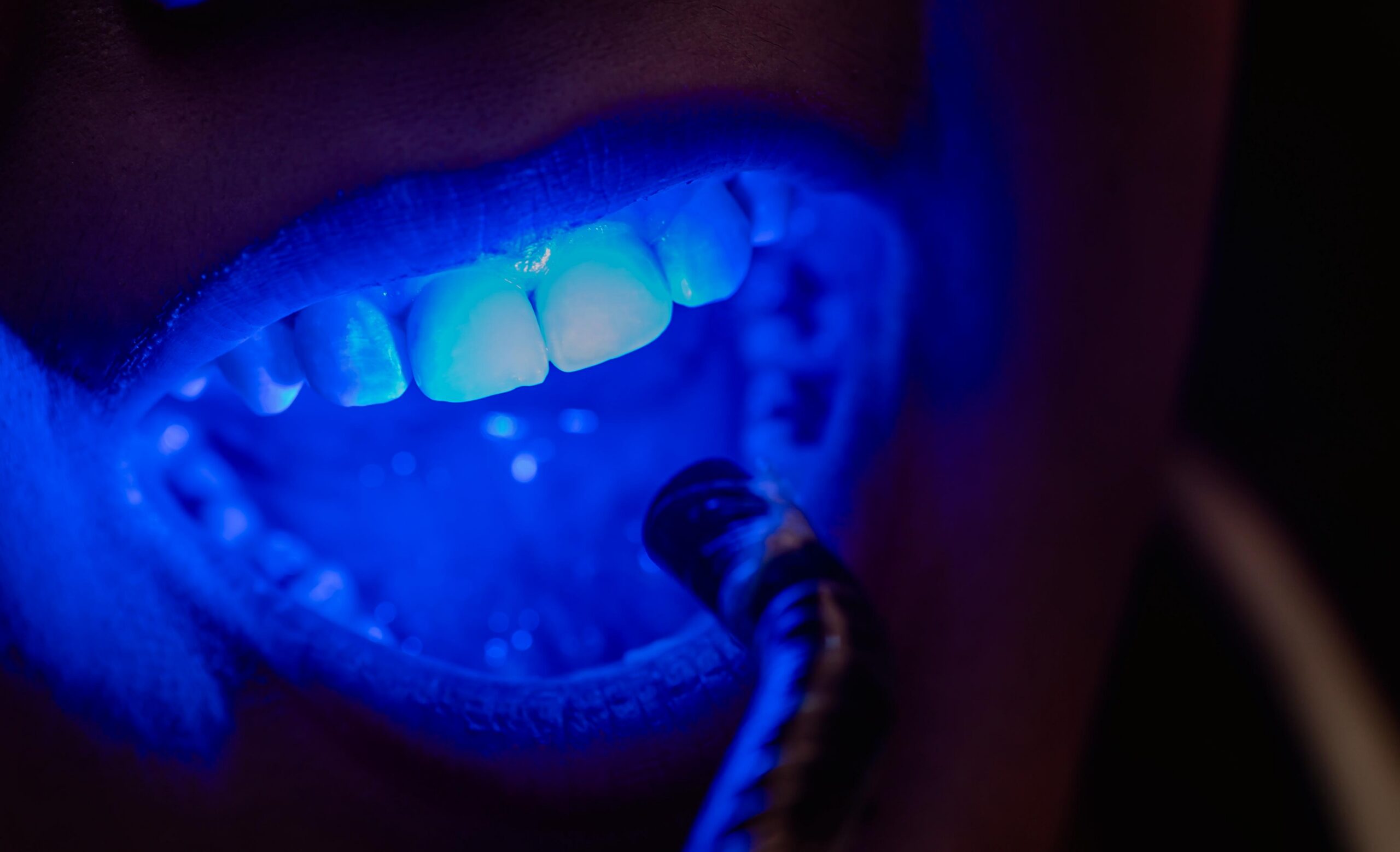
A composite shade is selected to blend with the surrounding enamel, and the tooth surface is prepared so the material can bond securely. The resin is placed directly on the tooth, shaped to correct the chip, gap, or contour, then hardened and polished.
Because bonding generally involves adding and shaping material rather than covering the entire tooth, it can preserve more natural tooth structure in appropriate cases. The amount of preparation depends on what is being repaired, and we will explain the process before treatment begins.

These treatments can sometimes address similar-looking concerns, but they are not interchangeable. Bonding is often a good fit for smaller, localized changes. Porcelain veneers can address broader cosmetic concerns across the visible surface of a tooth, while a dental crown covers more of the tooth and is typically used when greater structural support is needed.
If decay is the main issue, a dental filling may be the more appropriate restoration. We will consider the strength of the tooth, your bite, the location of the damage, and w

A small chip that is not painful may still be a good candidate for bonding, but a newly broken tooth should be evaluated before assuming the damage is only cosmetic. Cracks can extend farther than they appear, and sensitivity or pain when biting can be signs that more of the tooth is involved. If the tooth broke suddenly and is painful, contact us for emergency dental care.
Bonded areas should be brushed and flossed along with the rest of your teeth. Composite resin can stain and chip over time, so habits such as biting pens, chewing ice, or using teeth to open packages can shorten the life of the repair.
Grinding and clenching can also place extra force on bonding and other dental work. If you have signs of bruxism, a custom night guard may be recommended to protect your teeth and restorations while you sleep. We will also check bonded areas during routine exams and cleanings.