
A routine dental visit should give you more than clean teeth. It is also a chance to make sure your gums are healthy, check for changes that may not be causing symptoms yet, and keep an eye on fillings, crowns, implants, and other dental work over time.
Birk Dental provides comprehensive dental exams and professional cleanings for children and adults in Creve Coeur. If you come in every six months, we will keep building on what we already know about your oral health. If it has been much longer, we will simply start with where things stand today.
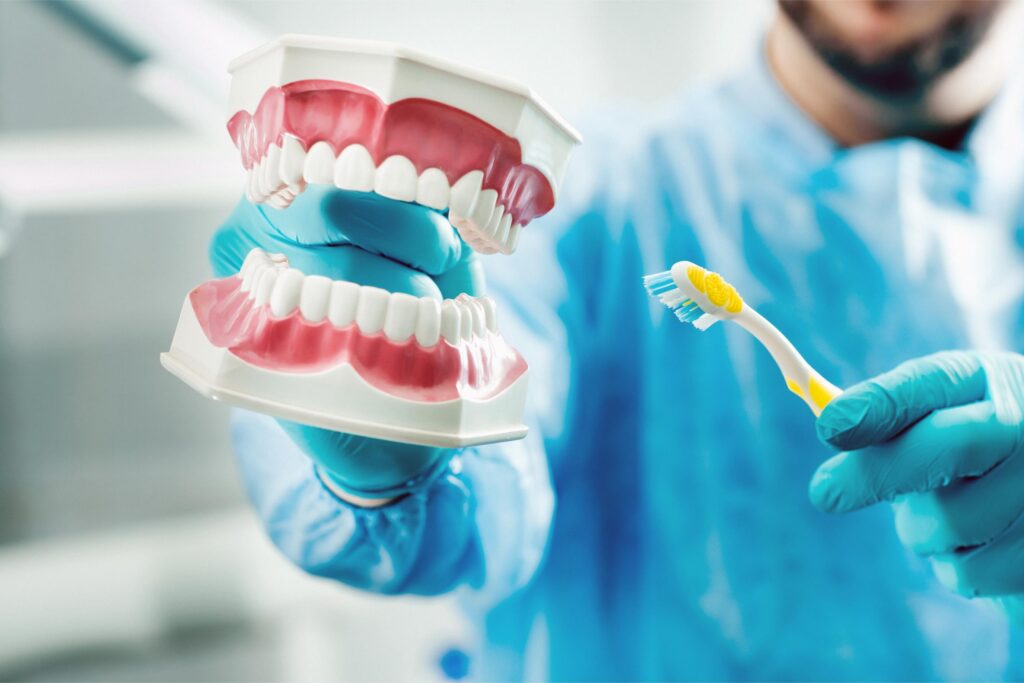
Your appointment begins with a review of any changes in your health, medications, dental history, or current concerns. Depending on when your last images were taken and what needs to be evaluated, digital X-rays may be recommended to look for decay, bone changes, infections, or other problems that cannot be seen during a visual exam.
Dr. Birk examines the teeth, gums, bite, and existing dental work and checks for signs of decay, cracks, wear, gum disease, and other changes. An oral cancer screening is also part of a comprehensive exam. If you have noticed sensitivity, bleeding gums, a rough edge, pain when chewing, or anything else unusual, this is the time to point it out so we can take a closer look.
During the cleaning, your hygienist removes plaque and hardened tartar from around the teeth and gumline, then polishes the teeth to remove surface buildup and stains. The visit is also an opportunity to talk through home-care questions and focus on areas that may be difficult for you to keep clean.
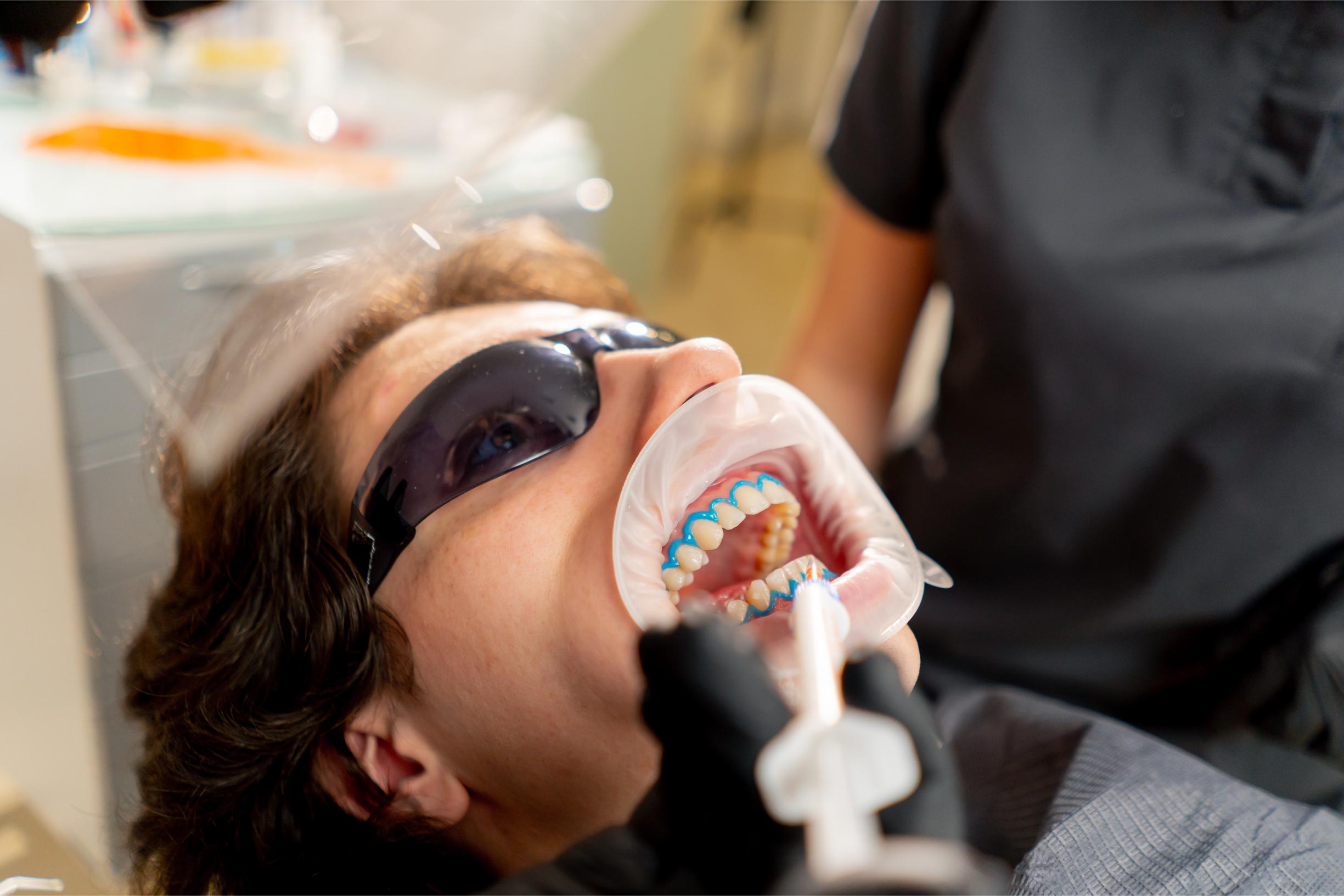
Cavities are only one part of a dental exam. Dr. Birk also looks at the condition of previous fillings and crowns, signs of grinding or clenching, tooth wear, cracks, gum health, bite changes, and areas of sensitivity or inflammation. If you have dental implants or other restorations, we will check those as part of the overall exam as well.
When something needs additional attention, we will explain what we see and what the options are. A small cavity may need a tooth-colored filling, while bleeding or deeper gum pockets may point to a need for gum disease treatment. The point of the exam is not to look for treatment to do; it is to understand what is healthy, what has changed, and what should be addressed.
For many patients, an exam and cleaning about every six months is a good rhythm. That interval is not a rule for every person, though. Patients with a history of periodontal disease, higher cavity risk, or other oral health concerns may benefit from a different schedule.
If gum disease is present, a routine cleaning may not be the right type of appointment. Scaling and root planing or periodontal maintenance may be recommended instead so the care matches what your gums actually need.
Depending on your cavity risk, fluoride treatment or dental sealants may provide added protection. Both are available for children and adults when appropriate and can be incorporated into a broader preventive plan.
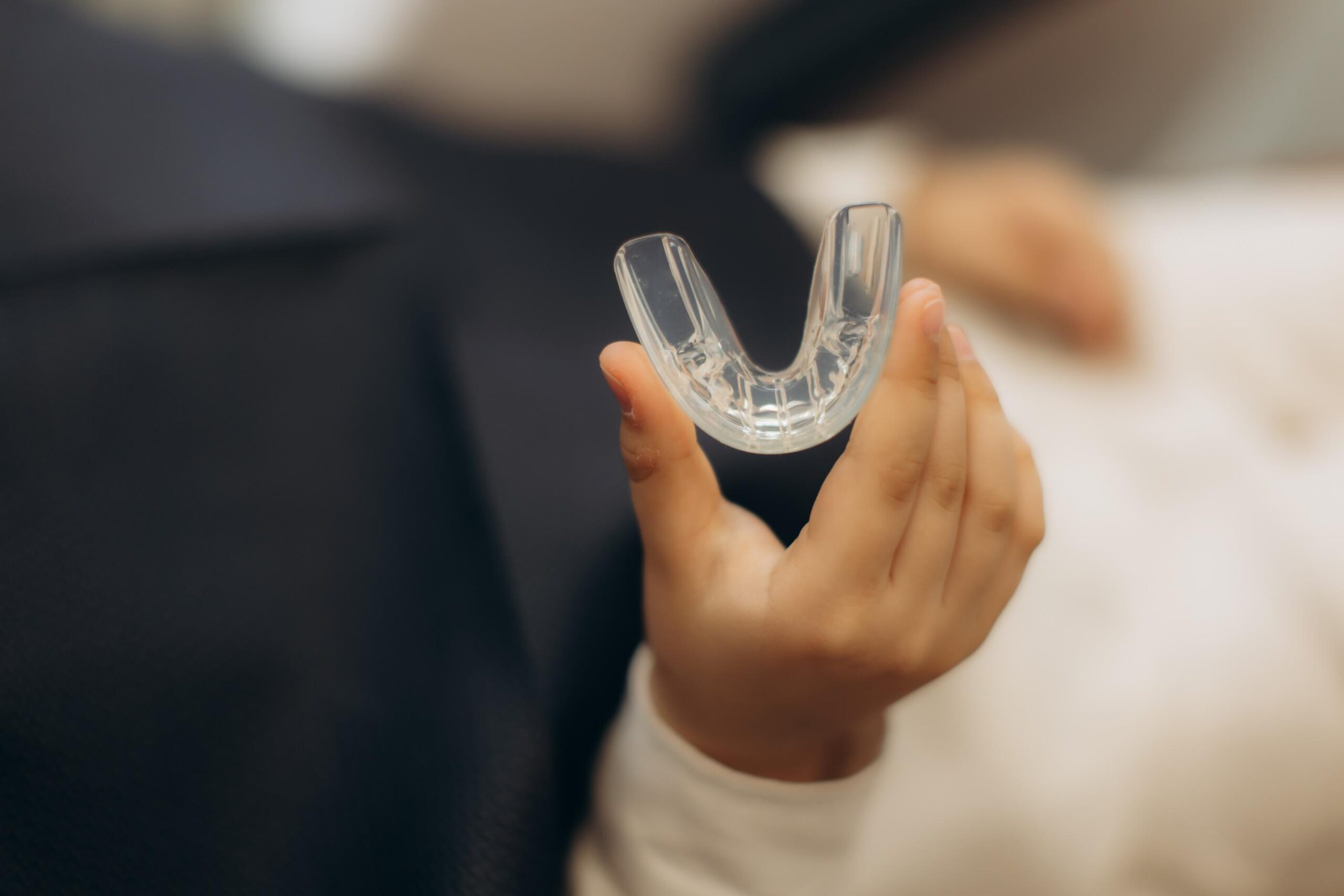
We may also notice signs that have nothing to do with cavities, such as flattened tooth surfaces or small areas of wear from grinding. In those situations, a custom night guard may be worth discussing to protect the teeth and existing dental work.
A lot of people delay dental care because they are anxious, embarrassed, busy, or simply got out of the habit. You do not need to explain or apologize for the gap. We would rather help you understand what is happening now than make the visit about how long it has been.
Tell us if there is something that makes dental visits difficult for you. Knowing what you are worried about helps the team communicate more clearly and make the appointment feel more manageable.
