A severe toothache can make it easy to assume the tooth needs to come out. Often, that is not the case. When infection or inflammation has reached the soft tissue inside a tooth but the tooth can still be restored, root canal treatment may allow Dr. Birk to remove the source of the problem and keep the natural tooth in place.
Root canals are performed in-office at Birk Dental and are typically completed in one visit. If you are dealing with significant tooth pain, swelling, or another urgent symptom, call the office. Same-day and next-day emergency appointments are available so we can determine what is causing the problem and how quickly it needs to be treated.
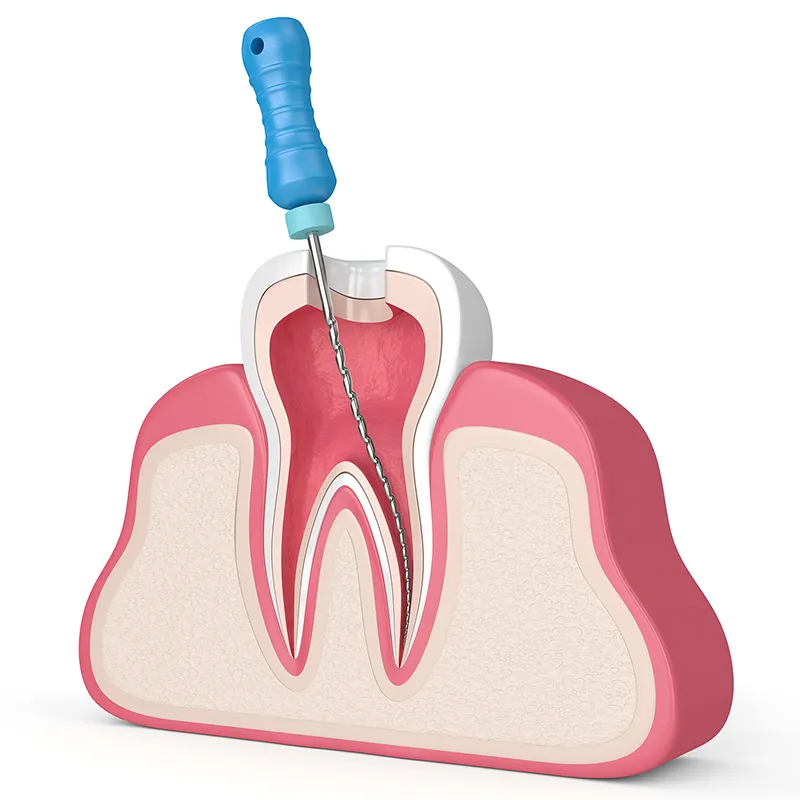
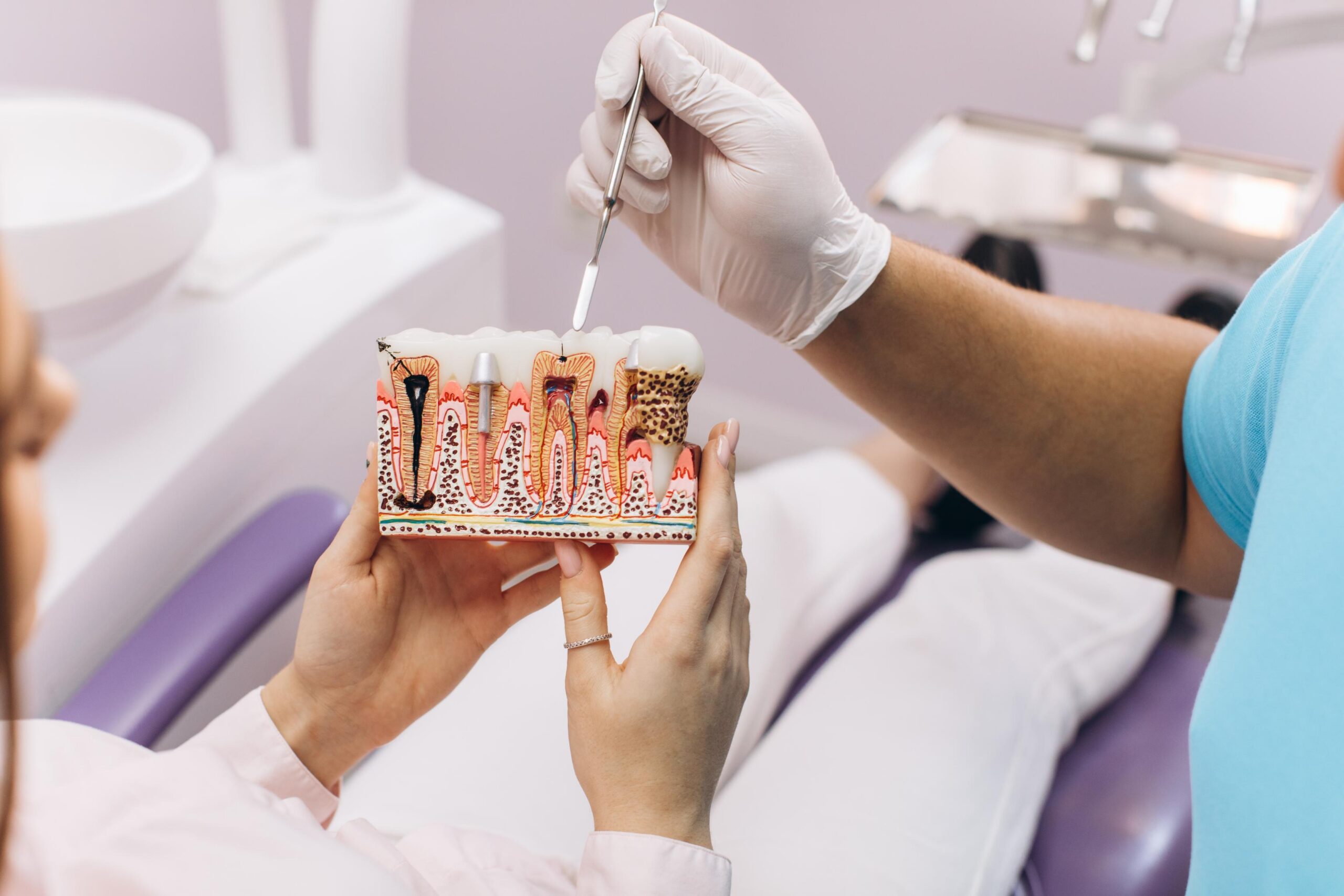
Before treatment, the tooth is examined and dental imaging is used as needed to evaluate the roots and surrounding bone. The area is numbed with local anesthetic, and a small opening is made in the tooth so the infected or inflamed pulp can be removed.
The inside of the tooth is cleaned and shaped, then the root canals are filled and sealed. Once the source of the infection or inflammation has been treated, the tooth can be restored so it can function normally again.
Root canal treatment at Birk Dental is typically completed in one appointment. The exact length of the visit depends on the tooth and the complexity of its root anatomy, but you will know what to expect before treatment begins.
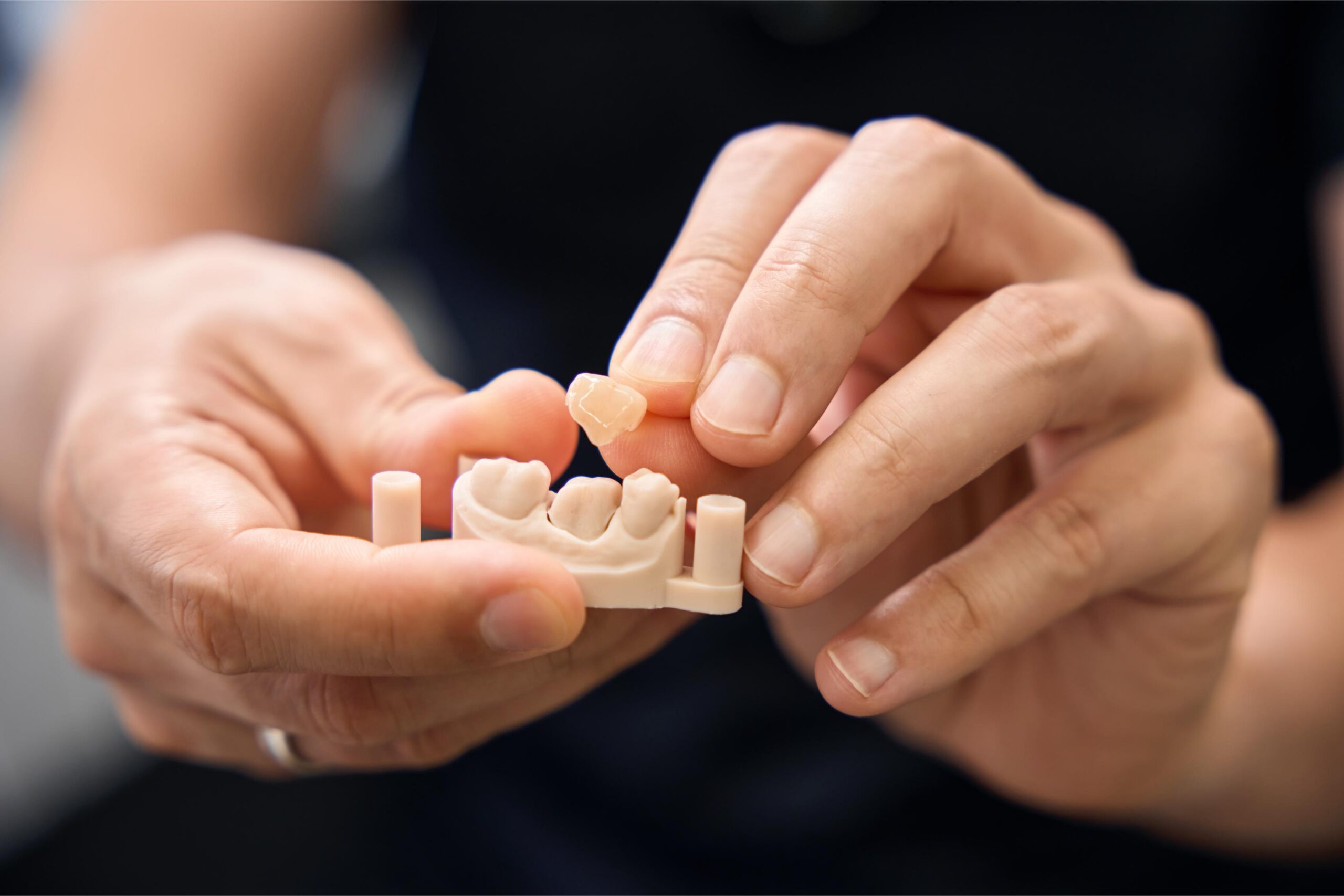
Many teeth, especially back teeth that handle heavier chewing forces, need a dental crown after root canal treatment. A crown covers and protects a weakened tooth so it can function more predictably over time. Other teeth may be restored differently depending on how much healthy structure remains.
Birk Dental uses CEREC technology to design and create many ceramic crowns in the office. When a crown is appropriate, this technology can often eliminate the need for a temporary crown and a separate placement visit.
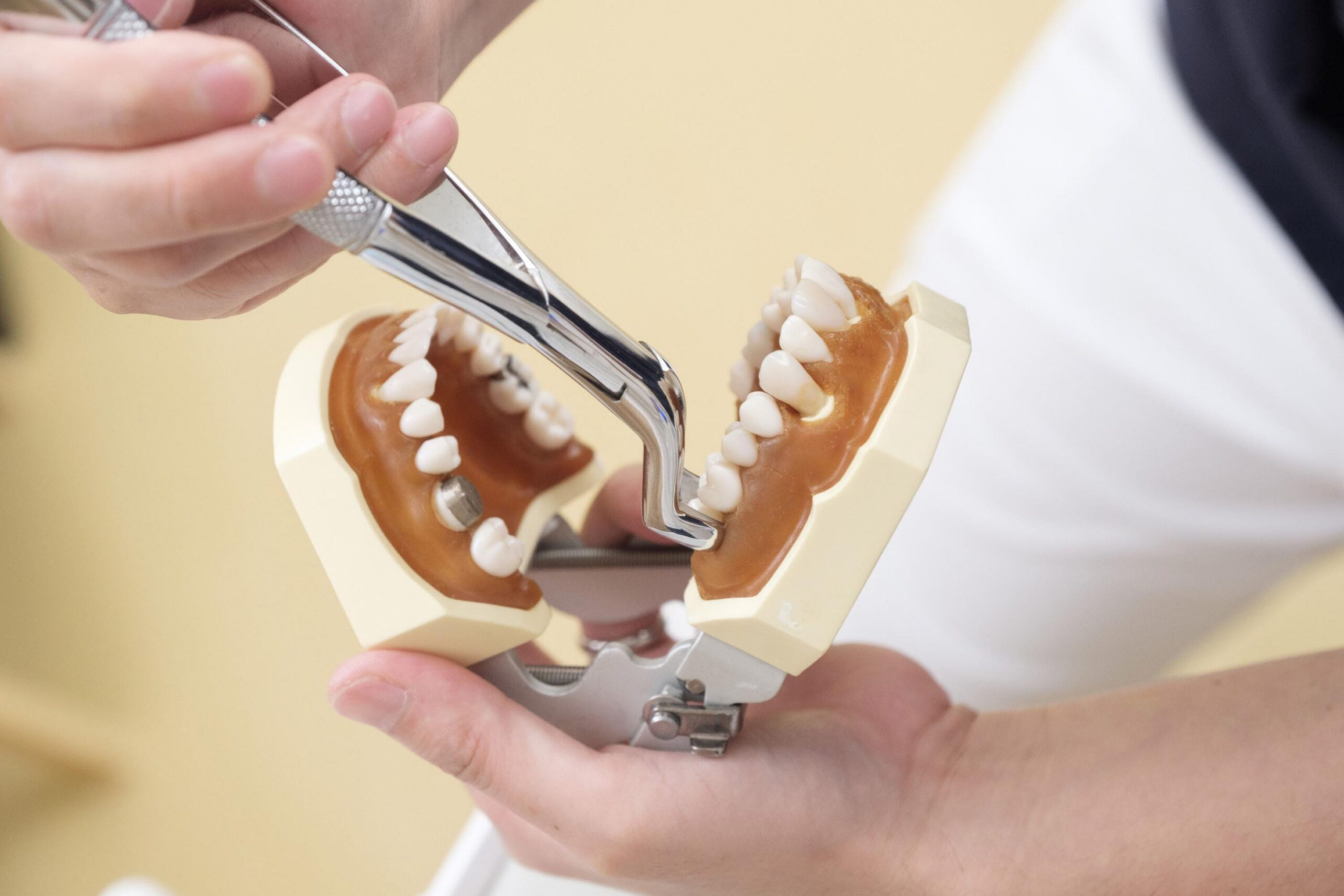
When a tooth can be predictably restored, keeping it is generally preferable to removing it. Root canal treatment addresses infection inside the tooth while preserving the tooth itself. An extraction becomes the better option when the tooth is too fractured, damaged, or compromised to restore successfully.
If a tooth does need to be removed, replacement options such as a dental implant or dental bridge can be discussed when appropriate. You do not have to make that decision before we have evaluated the tooth and explained what we see.
The tooth and surrounding area may feel tender for a short time after treatment, particularly if the tooth was painful or infected beforehand. Follow the instructions you receive after your appointment, including any guidance about chewing on the tooth until the final restoration is complete.
If pain or swelling worsens instead of improving, or if something does not feel right, call the office. Once treatment and the final restoration are complete, the tooth can usually be brushed, flossed, and cared for much like your other teeth.
Call Birk Dental at (314) 434-7300. Same-day and next-day emergency appointments are available, and an exam can determine whether the problem is related to infection, a crack, decay, or another cause that needs treatment.