
You may grind or clench your teeth without realizing you are doing it. For many people, the first clues show up in the morning: tired jaw muscles, sensitive teeth, headaches, or a feeling that the teeth have been under pressure all night. Sometimes the evidence is something Dr. Birk notices during an exam, such as flattened enamel, small chips, or unusual wear on dental work.
Birk Dental provides custom night guards for patients who grind or clench their teeth. Each appliance is fabricated through a dental lab for a custom fit designed around your teeth.
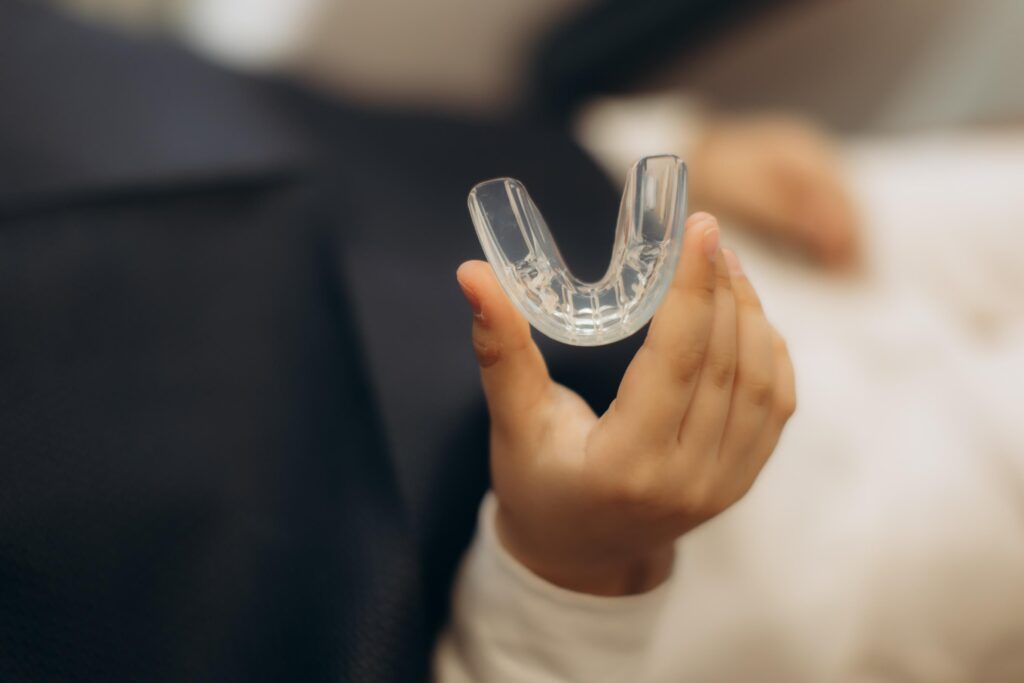
Bruxism is the habit of grinding or clenching the teeth. It can happen while you are awake or during sleep, and the amount of force can be significant even when you are not aware it is happening. Over time, repeated pressure can wear enamel, contribute to chips or cracks, and place extra stress on fillings, crowns, veneers, and other restorations.
Not everyone who clenches has the same symptoms, and jaw soreness or headaches can have more than one cause. If you are noticing discomfort, tooth wear, or changes in your bite, an exam helps determine whether grinding appears to be part of the problem and whether a night guard is appropriate.
Common signs can include flattened or shortened tooth surfaces, small chips along the edges of teeth, new sensitivity, jaw muscle fatigue, soreness when you wake up, or dental work that seems to chip or wear more often than expected. A sleeping partner may sometimes hear grinding at night, but many people with bruxism make little or no noticeable sound.
Routine dental exams and cleanings give us a chance to compare wear patterns over time. If changes are appearing gradually, that history can make it easier to tell the difference between normal wear and forces that may be damaging the teeth.
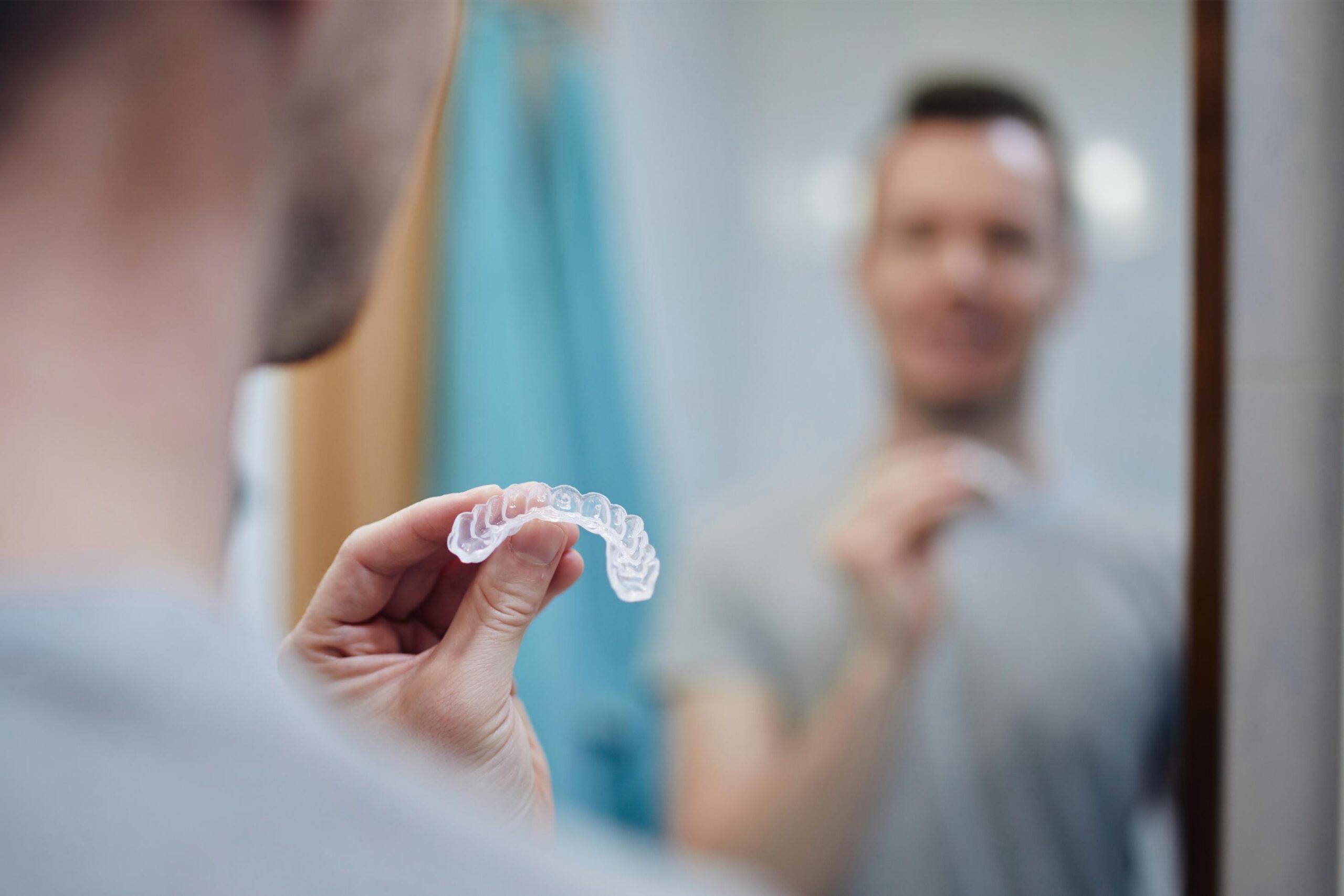
A night guard creates a protective barrier between the upper and lower teeth while you sleep. It does not necessarily stop the muscles from clenching or grinding, but it can reduce direct tooth-to-tooth wear and help protect restorations from repeated nighttime forces.
That protection can be especially important if you already have dental crowns, veneers, bonding, or other restorative work. Reducing repeated nighttime force can help protect those restorations as well as the natural teeth around them.
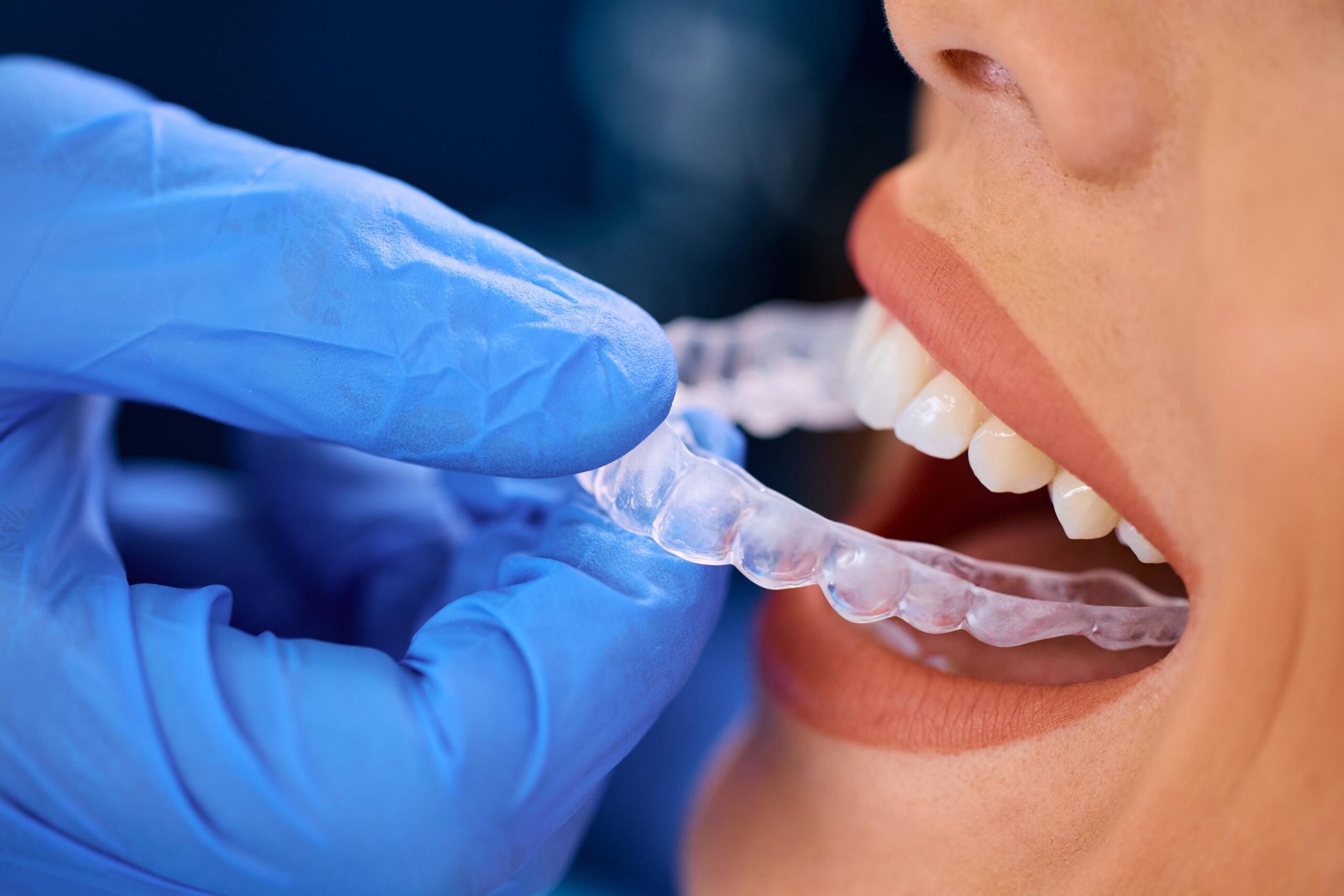
Over-the-counter guards are made to fit a broad range of mouths. A custom night guard is made specifically for your teeth, allowing the appliance to fit more closely than a one-size-fits-many option and provide protection where grinding forces are occurring.
Birk Dental night guards are fabricated through a dental lab for a custom fit. Once you begin wearing the appliance, let us know if it feels different than expected or if you notice changes in how it seats.
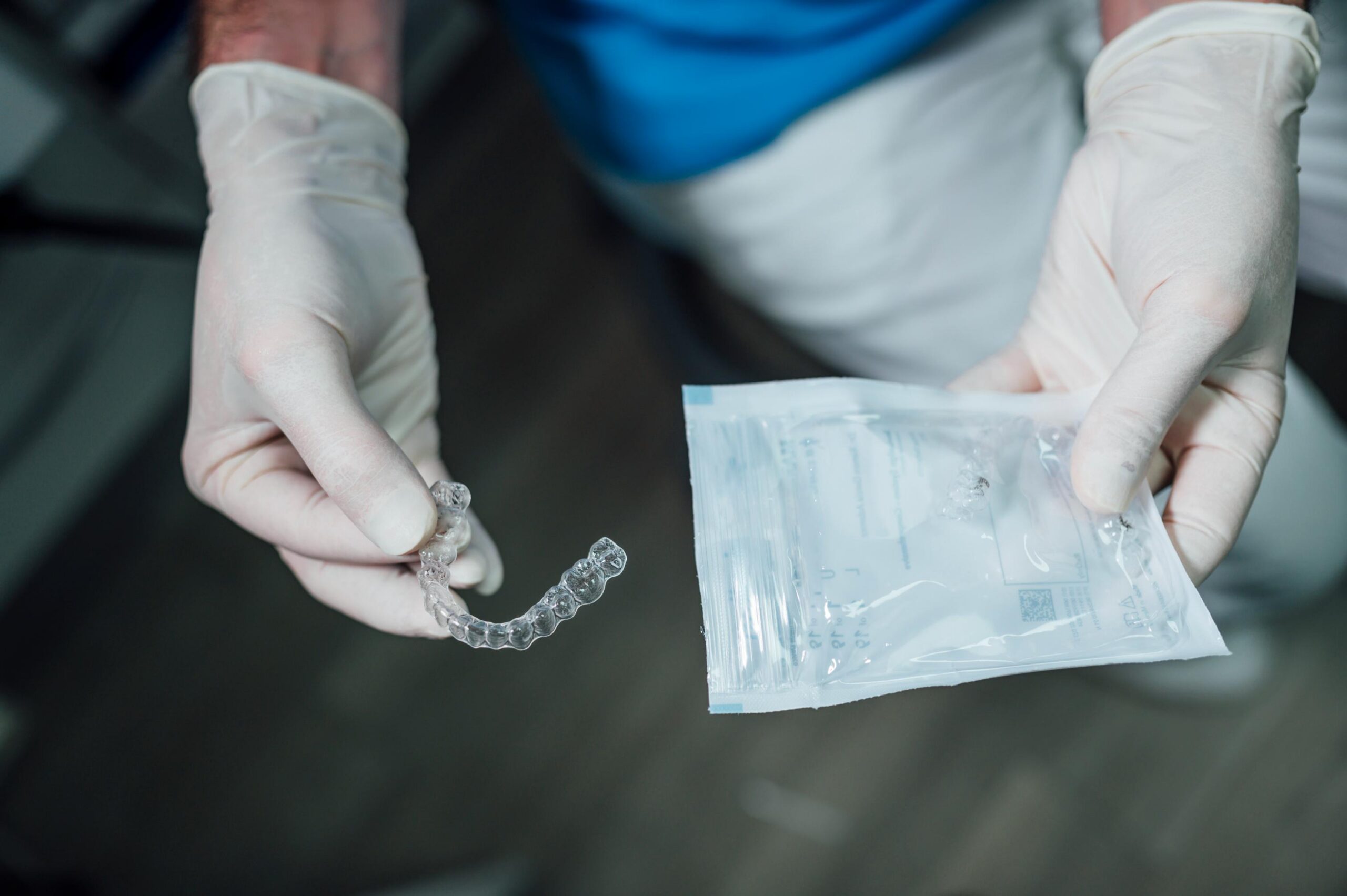
Rinse your guard after use, clean it according to the instructions you receive, and allow it to dry before storing it in its case. Keep it away from high heat, which can distort some appliance materials. Bring it with you if you have concerns about wear, damage, or changes in fit.
If your guard begins to feel different, develops damage, or no longer seats the way it used to, bring it with you rather than continuing to force it into place. Teeth and dental work can change over time, and the appliance may need to be adjusted or replaced.
If you are waking with a sore jaw, noticing worn or chipped teeth, or have been told that you grind or clench, an exam can help determine whether a night guard would be useful. We will look at the wear pattern, your bite, and the dental work you already have before recommending an appliance.
