
A cavity does not always announce itself with a toothache. Sometimes decay is found during a routine exam or on an X-ray before you feel anything at all. Treating it at that stage can often mean a straightforward filling instead of waiting until the tooth needs more extensive work.
Birk Dental uses tooth-colored composite resin to repair teeth affected by cavities and certain small areas of damage. Composite is shaped directly to the tooth and selected to blend with the surrounding enamel, so the restoration can repair the tooth without the obvious silver appearance of older amalgam fillings.
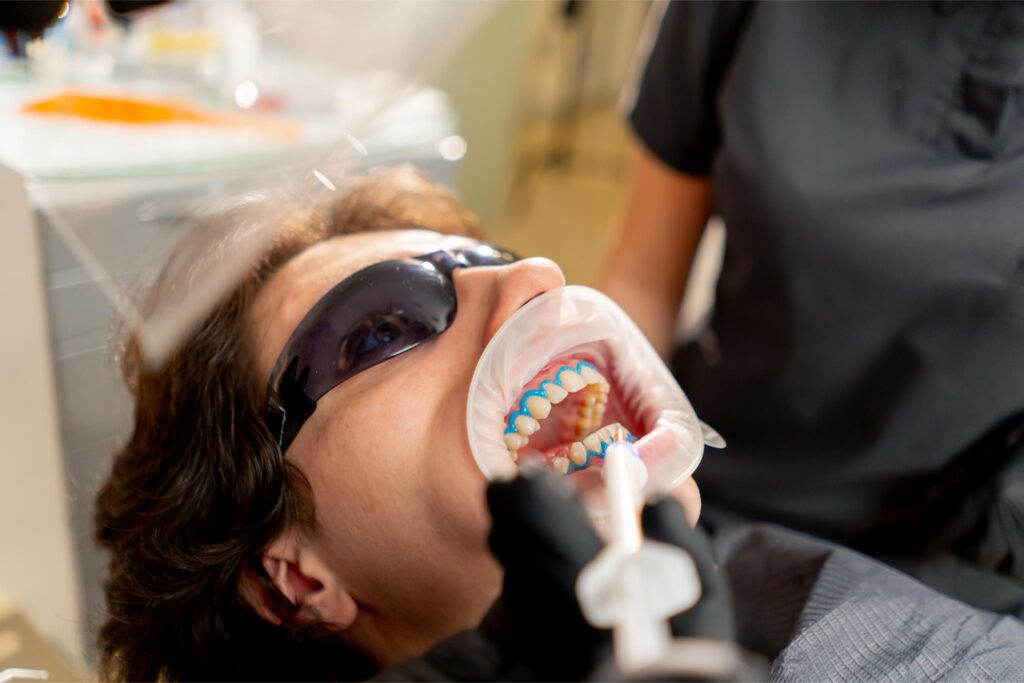
Some cavities cause sensitivity to cold, heat, or sweets, discomfort when chewing, or a visible dark spot or hole in the tooth. You may also notice a rough edge around an older filling or feel that a piece of the tooth has chipped. In other cases, there are no symptoms, which is why routine exams and dental X-rays remain important.
If a tooth is suddenly painful, badly broken, or causing swelling, do not wait for a routine checkup. Call the office so we can determine whether you need an urgent visit. Birk Dental also offers emergency dental care for new and existing patients.

A filling repairs the portion of a tooth that has been damaged by decay or a small defect. The unhealthy tooth structure is removed, the area is cleaned, and composite resin is placed to rebuild the missing portion of the tooth. The material is then hardened, shaped, and polished so the tooth can function normally again.
Composite resin bonds to the tooth and can be matched closely to the surrounding enamel. It is used on both front and back teeth when a direct filling is an appropriate way to restore the area.

The area around the tooth is numbed with local anesthetic before treatment begins. After the decay is removed and the tooth is prepared, composite resin is placed in the area, shaped to rebuild the natural contour of the tooth, and hardened with a curing light.
Before you leave, we will check your bite and make any needed adjustments so the filling does not feel too high when you close your teeth together. Most fillings are completed in a single visit. Some temporary numbness is expected afterward, and the tooth may feel mildly sensitive for a short period as it settles.

A filling works best when there is enough healthy tooth remaining to support it. If decay or damage is more extensive, a dental crown may offer better protection. If decay has reached the pulp inside the tooth and caused infection, root canal treatment may be needed before the tooth is restored.
Addressing cavities sooner can preserve more healthy tooth structure and reduce the chance that a larger restoration will be needed. We will show you what is happening and explain why a filling, crown, or another treatment makes the most sense for that particular tooth.
An older metal filling does not automatically need to be replaced simply because it is metal. We monitor existing restorations during routine exams and look for cracks, gaps, recurrent decay, wear, or other signs that the filling or surrounding tooth may no longer be holding up well.
If an older filling is failing or you have a specific cosmetic concern, we can discuss whether replacement with tooth-colored composite is appropriate. The decision should be based on the condition of the tooth and restoration, not on replacing dental work that is still functioning well without a reason.
Good home care, regular exams and cleanings, and attention to diet all play a role in cavity prevention. Fluoride treatments and dental sealants are also available for children and adults when appropriate, particularly when cavity risk is higher.
If you tend to develop cavities frequently, tell us about changes such as dry mouth, medications, snacking habits, or other factors that may be affecting your risk. Prevention is more useful when we can address the reason problems keep recurring rather than simply filling the next cavity.
