
Bleeding gums are common, but that does not mean they should be considered normal. Swelling, persistent bad breath, gum recession, and bleeding when brushing or flossing can all be signs that plaque and bacteria are affecting the tissues around the teeth. Gum disease can also progress without causing much discomfort, which makes regular evaluation especially important.
Birk Dental provides periodontal care in-office, including scaling and root planing and ongoing periodontal maintenance. Treatment focuses on controlling the buildup and inflammation associated with gum disease, stabilizing the tissues supporting the teeth, and giving you a practical plan for managing the condition over time.
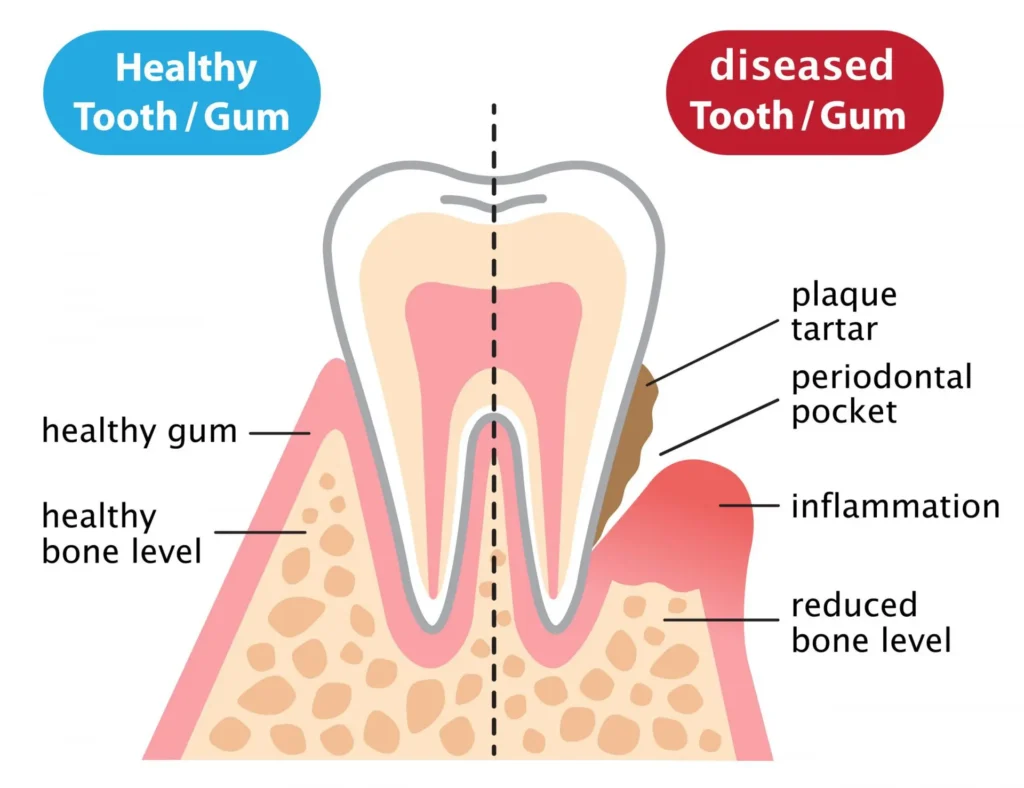
Gum disease develops when plaque and bacteria collect around the teeth and gumline and trigger inflammation. In its earliest stage, called gingivitis, the gums may look red or swollen and bleed easily. At this point, the inflammation can often improve with professional cleaning and consistent home care.
When the disease progresses to periodontitis, the infection affects the deeper supporting tissues and bone around the teeth. The gums may pull away from the teeth and form deeper pockets where bacteria and tartar collect. Periodontitis requires ongoing management because the bone and attachment that have already been lost do not simply grow back with a routine cleaning.
Possible signs of gum disease include gums that bleed when brushing or flossing, redness or swelling, persistent bad breath, gum recession, tenderness, changes in the spaces between teeth, or teeth that begin to feel loose. You may have only one of these signs, or none that are obvious to you.
During routine dental exams and cleanings, we evaluate gum health and look for changes that may indicate periodontal disease. Dental X-rays can also help show changes in the bone supporting the teeth when that information is needed for diagnosis and treatment planning.
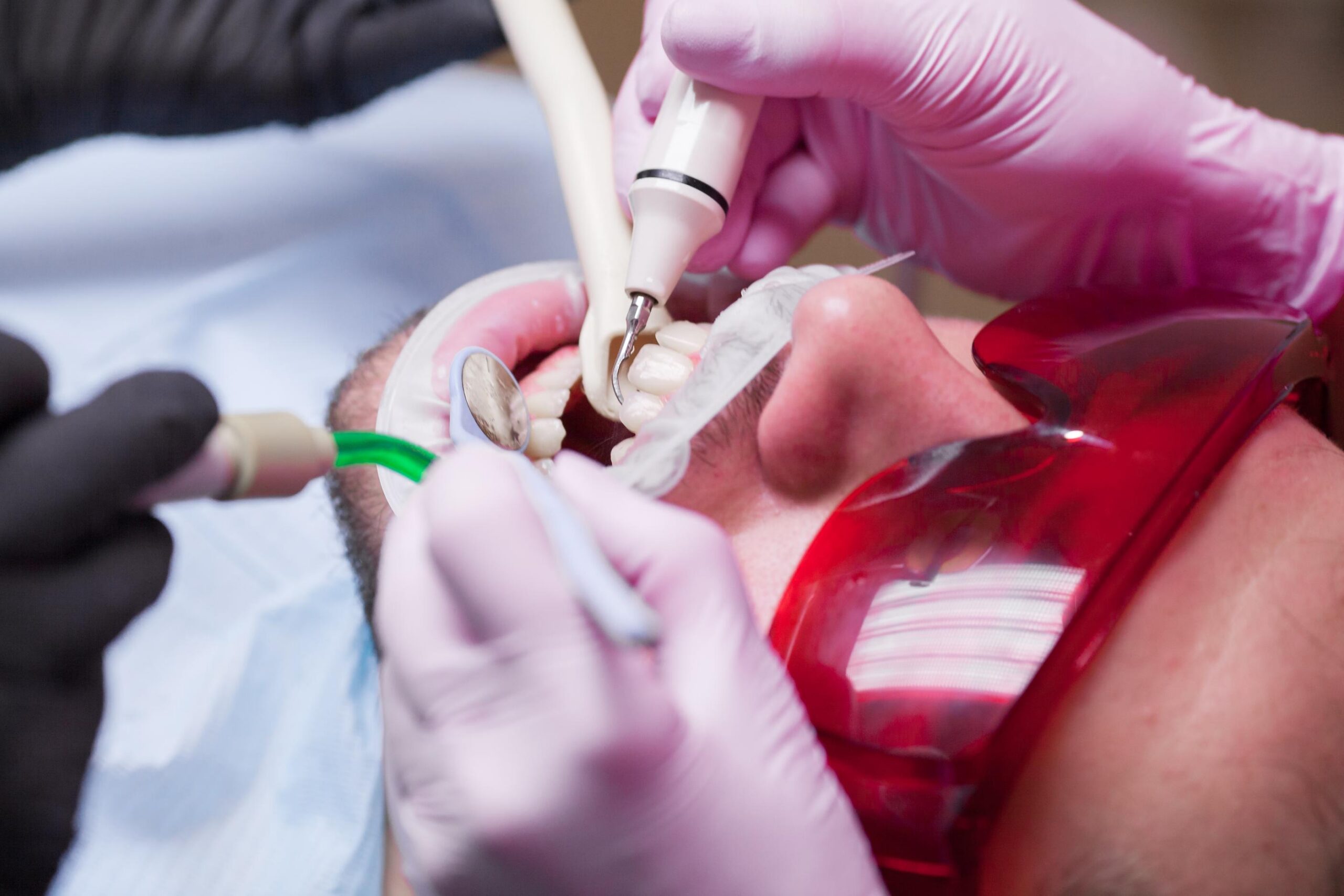
When tartar and bacteria extend below the gumline, a routine preventive cleaning is not enough to reach the affected areas. Scaling and root planing, often called a deep cleaning, removes deposits from below the gums and smooths the root surfaces so the tissues can heal and inflammation can be brought under better control.
The areas being treated can be numbed for comfort, and treatment may be divided into more than one appointment depending on how much of the mouth needs care. Afterward, the gums can be tender or sensitive for a short time. We will give you instructions for home care and let you know what to expect as the tissues respond.

Treating active gum disease is only the first part of managing it. Once scaling and root planing has been completed, periodontal maintenance visits help remove buildup from areas that remain more susceptible to disease and allow us to monitor the gums closely.
Periodontal maintenance is usually scheduled more frequently than a standard preventive cleaning, although the interval depends on your gum health and how well the condition is responding. The schedule can be adjusted over time rather than forcing every patient into the same routine.
Professional periodontal care works best when it is supported by consistent home care. Brushing along the gumline, cleaning between the teeth every day, and following any specific recommendations from your hygienist can help limit the buildup that drives inflammation.
If dry mouth, crowded areas, dental work, or other factors make certain spots difficult to clean, tell us. Preventive care is more useful when the recommendations fit your actual routine and the areas that are hardest for you to maintain at home.
