Signs You May Need a Root Canal
Not all tooth pain means you need a root canal, but the following symptoms are common indicators:
-
- Persistent or severe toothache
-
- Sensitivity to hot or cold, especially if it lingers
-
- Swelling or tenderness in the gums
-
- Darkening or discoloration of the tooth
-
- A bump or pimple on the gums near the tooth
-
- Pain when chewing or touching the tooth
Only a dental exam and X-ray can confirm whether root canal therapy is needed, so it’s important to schedule an appointment if you’re experiencing any of these symptoms.
What Causes Pulp Damage or Infection?
The soft pulp inside a tooth can become infected or inflamed due to:
-
- Repeated dental procedures on the same tooth
-
- Trauma to the tooth, even without visible damage
-
- Gum disease that has reached the tooth’s root
If left untreated, the infection can spread, lead to abscesses, and eventually cause tooth loss. Root canal therapy removes the infection and saves the tooth, preventing the need for extraction.
What to Expect During Root Canal Treatment
At Birk Dental, your comfort and safety are our top priorities. Here’s what the typical root canal process involves:
-
- Diagnosis and Digital Imaging
Dr. Birk will examine your tooth and take digital X-rays to assess the extent of the infection and determine the best treatment approach.
-
- Anesthesia and Isolation
We begin by numbing the area around the affected tooth to ensure a pain-free procedure. The tooth is isolated to keep it clean and dry during treatment.
-
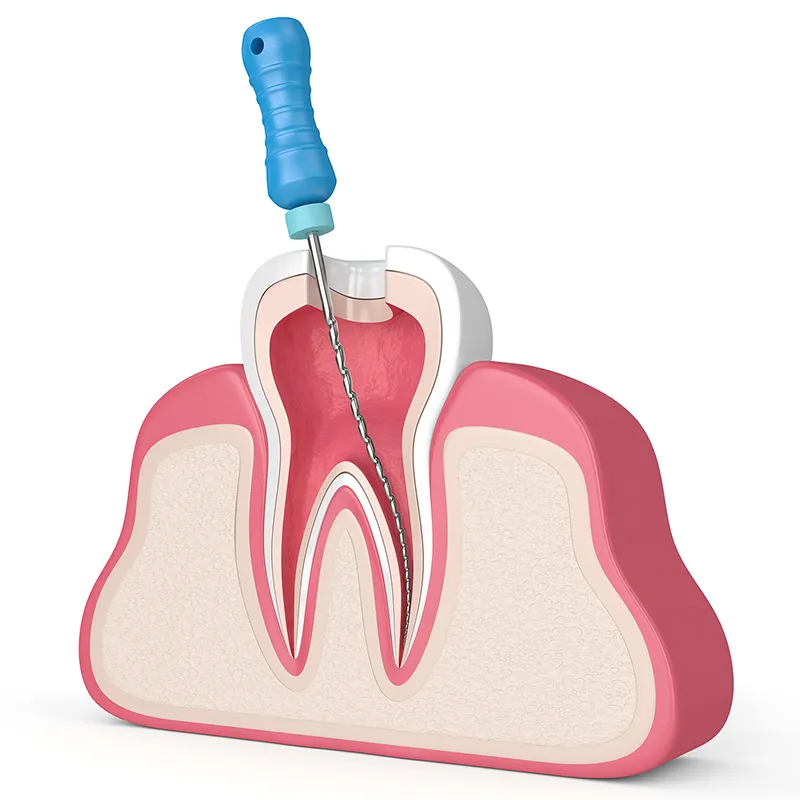
- Cleaning and Shaping the Root Canal
An opening is made in the tooth, and the infected pulp is removed. The inner space of the tooth is carefully cleaned, shaped, and disinfected to eliminate bacteria.
-
- Filling the Canal
Once the space is cleaned, it is filled with a rubber-like material called gutta-percha. This seals the canal and prevents future infection.
-
- Restoration with a Crown
To protect the tooth from future damage and restore its function, a custom crown is typically placed. In some cases, Birk Dental may be able to provide a same-day CEREC crown, depending on the location and condition of the tooth.
Aftercare and Recovery
Most patients return to their normal activities the day after treatment. You may experience mild soreness or sensitivity for a few days, which can usually be managed with over-the-counter pain relievers.
We recommend:
-
- Avoiding chewing on the treated side until the permanent crown is placed
-
- Practicing good oral hygiene to support healing
-
- Following up as recommended to complete the crown placement
Once fully restored, your treated tooth can last as long as your natural teeth with proper care.
Saving Your Natural Tooth Matters
Keeping your natural tooth helps maintain your natural bite, supports jawbone health, and avoids the need for more extensive restorative treatments. Root canal therapy is one of the most successful and cost-effective ways to preserve a tooth that would otherwise need to be removed.
Schedule Your Root Canal Consultation
If you’re experiencing dental pain or signs of infection, don’t delay care. The earlier you treat the problem, the easier it is to preserve your tooth and avoid complications. At Birk Dental, we provide expert, compassionate care to help you feel better fast.
Root Canals / Endodontics – FAQs
1. What is a root canal and why would I need one?
A root canal treats infection or inflammation inside a tooth’s pulp. It’s often needed when deep decay, cracks, or trauma reach the nerve. The procedure removes the infected tissue, disinfects the canal, and seals the tooth to prevent further damage or pain.
2. Does a root canal hurt?
No. Modern root canals are virtually painless thanks to advanced techniques and local anesthesia. Most patients feel relief after the procedure since the source of pain – the infected nerve – is removed. Mild tenderness afterward is normal and fades quickly.
3. How long does a root canal take?
Most root canals can be completed in one visit, lasting 60–90 minutes depending on the tooth’s complexity. Some cases may require a follow-up visit or crown placement to restore full strength and protection after the infection is cleared.
4. What happens after the root canal procedure?
After treatment, your tooth is sealed and often restored with a crown for stability. You can return to normal activities within a day. Good oral hygiene and regular checkups will help ensure your treated tooth remains healthy for years to come.
5. Are root canals better than extractions?
In most cases, yes. Saving your natural tooth helps maintain bone structure, chewing ability, and alignment. Extraction is only recommended when the tooth cannot be saved. Root canals are a safe, effective way to keep your natural smile intact.